Neem Leaves Benefits and Uses: A Nigerian Guide

Neem leaves, known locally as dogonyaro in Nigeria, have been a cornerstone of traditional medicine across West Africa for generations. From treating fevers to improving skin health, the benefits and uses of neem leaves are deeply rooted in cultural practice and increasingly supported by modern science. This guide explores how Nigerians can harness neem leaves for common health concerns, with clear preparation methods and safety warnings. Always consult a healthcare provider before using neem for medicinal purposes, especially if you have underlying conditions or are on medication.
Neem Leaves for Malaria Support
In many Nigerian communities, neem leaves are traditionally used to manage malaria symptoms such as fever and body aches. The leaves contain compounds like quercetin and nimbidin, which may possess antimalarial properties. A common preparation involves boiling a handful of fresh neem leaves in water for 10–15 minutes, then drinking the tea twice daily. However, it is crucial to note that neem tea should not replace prescribed antimalarial drugs. Some research suggests neem leaf extract can reduce parasite load in mild cases, but it must be used under medical supervision. If you experience severe symptoms like persistent high fever or confusion, seek immediate medical attention.
Neem for Skin, Acne, and Wound Healing
Neem's antibacterial and anti-inflammatory properties make it a popular remedy for acne, eczema, and minor wounds. In Nigeria, a common practice is to grind fresh neem leaves into a paste with a little water and apply it to affected skin. For acne, leave the paste on for 15 minutes before rinsing. Studies indicate that neem leaf extract can reduce acne lesions and promote wound healing. You can also use neem tea as a facial rinse. For persistent skin issues, consider incorporating neem into your routine, but discontinue if irritation occurs. Always patch test on a small area first.
Neem for Hair Health
Neem leaves can improve scalp health, reduce dandruff, and even help treat head lice. To make a medicated oil, boil neem leaves in coconut oil for 30 minutes, then strain and massage into the scalp weekly. For lice, neem extract shampoo has been shown effective in a single application. In rural areas of Kano and Kaduna, women often use neem paste as a hair mask to strengthen strands and reduce itching. While scientific evidence is limited, anecdotal reports support these uses. If you have a sensitive scalp, dilute the oil and test before full use.
Neem for Diabetes Management
Some preliminary research suggests neem leaf extract may help lower blood sugar levels, offering potential benefits for people with type 2 diabetes. The active compounds in neem may improve insulin sensitivity. However, neem can interact with diabetes medications, causing blood sugar to drop too low. If you are on insulin or oral hypoglycemics, speak with your doctor before using neem. Boiling neem leaves and drinking the tea twice daily is a common traditional approach, but dosages must be carefully monitored. Never adjust your diabetes medication without professional guidance. For an honest comparison with the other tea Nigerians use for blood sugar, see soursop vs neem tea for diabetes.
Neem for Oral Care
Neem's antimicrobial action is well-recognized in dental care. In Nigeria, many people use neem twigs as chewing sticks to clean teeth and prevent gum disease. Clinical studies show that neem leaf extract gel can reduce plaque and gingivitis. You can also use neem tea as a mouthwash by steeping dried leaves in hot water, cooling, and swishing for 30 seconds. Remember that neem does not replace regular brushing or professional dental care. For convenience, high-quality dried neem leaves from xHerbs can be used to prepare a fresh mouth rinse.
How to Prepare and Use Neem Leaves
Neem Tea
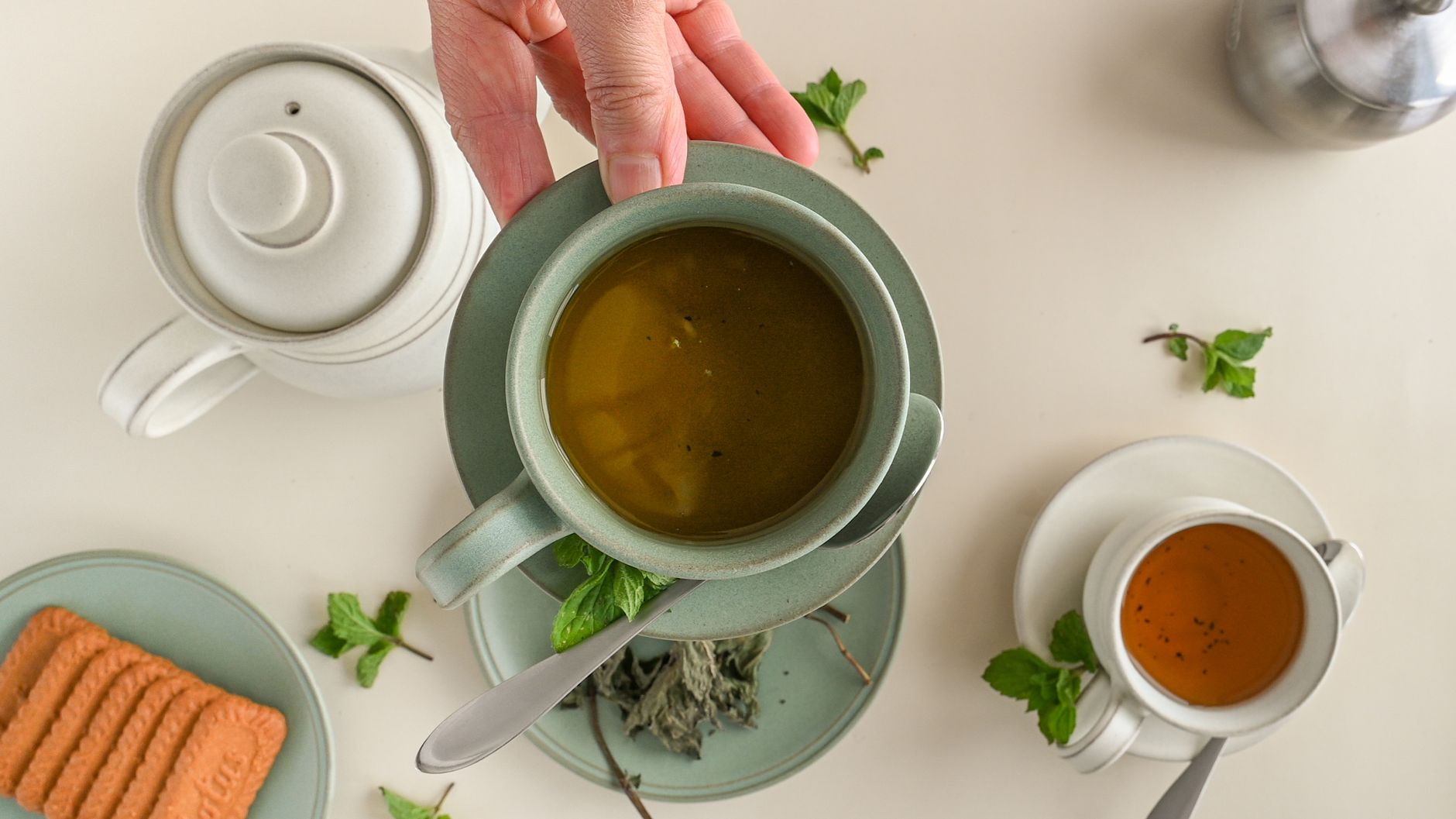
Boil 10–15 fresh neem leaves (or 1 tablespoon dried leaves) in 3 cups of water for 10 minutes. Strain and drink up to two cups daily. You can add honey or lemon to improve taste. Store leftover tea in the refrigerator for up to 24 hours.
Neem Paste
Grind fresh or dried neem leaves with a little water to form a smooth paste. Apply to skin or hair, leave for 15 minutes, then rinse with warm water. For wounds, use only on clean, unbroken skin.
Neem Oil
Infuse neem leaves in a carrier oil (like coconut or olive oil) over low heat for 2 hours. Strain and store in a glass jar. Use for scalp massage or as a moisturizer for dry skin patches. Avoid using undiluted neem oil directly on large areas.
For reliable sourcing, consider Neem Leaves – 1 pack from xHerbs, which offers pure, dried leaves suitable for these preparations.
Safety, Dosage, and Warnings
Neem is generally safe when used externally or as a short-term tea. However, internal use in large doses can harm the kidneys and liver. Neem oil and bark are likely unsafe during pregnancy as they may cause miscarriage. Avoid neem if you are trying to conceive, as it may reduce fertility. Children should not take neem seeds or oil internally—serious side effects can occur. Neem may also interact with immunosuppressants, diabetes drugs, and medications metabolized by the liver. Always consult a healthcare provider before using neem for medicinal purposes, especially if you have autoimmune diseases, are scheduled for surgery, or are on medication.

The bottom line: Neem leaves offer a range of traditional and evidence-backed benefits for malaria symptoms, skin, hair, diabetes, and oral care, but must be used with caution. Preparation methods like boiling for tea or grinding into paste are simple and accessible. Always prioritize safety by consulting a professional and choosing quality products to ensure purity and potency.