Black Seed Oil Benefits in Nigeria: Complete Guide

Black seed oil, known locally as Habba Sauda or simply black cumin oil, has been a trusted remedy in Northern Nigeria for centuries. From Kano markets to Lagos kitchens, this golden oil from Nigella sativa seeds is now gaining national attention for its scientifically supported health benefits. In this guide, we explore evidence-backed black seed oil benefits in Nigeria, how to use it properly, and what to check on a Nigerian label to avoid counterfeit products. Always consult a healthcare provider before using any herbal remedy, especially if you are on medication, pregnant, or managing a chronic condition.
Why Black Seed Oil Is Called a Nigerian Superfood
Black seed oil contains thymoquinone, a potent antioxidant that fights inflammation and infection. In Nigeria, where herbal medicine meets modern science, people turn to this oil for conditions ranging from stomach ulcers to high blood pressure. Unlike generic health articles, this guide focuses on how Nigerians actually use black seed oil in their daily routines—whether mixed with honey for morning immunity or massaged on joints for arthritis pain. For many, a single teaspoon in the morning during harmattan season keeps colds at bay. The oil's versatility makes it a staple in many households across the country, from the bustling markets of Onitsha to the quiet streets of Ibadan.
Traditional healers in the North have long prescribed black seed oil for respiratory issues, skin infections, and digestive complaints. Modern research confirms that thymoquinone and other compounds in the oil exhibit antimicrobial, anti-inflammatory, and immune-modulating properties. This combination of tradition and science is what earns black seed oil its superfood status in Nigeria.
Black Seed Oil for Stomach Ulcer and Digestive Health
Stomach ulcers are a common complaint in Nigeria, often linked to H. pylori infection or the overuse of painkillers. Black seed oil has been traditionally used to soothe the stomach lining and reduce acidity. A typical Nigerian approach: take half to one teaspoon of cold-pressed black seed oil on an empty stomach in the morning, or mix it with a tablespoon of honey to improve taste and add antimicrobial benefits. Some studies suggest that thymoquinone may help protect the stomach lining and even inhibit H. pylori growth.
Safety note: If you are already taking antacids or ulcer medication, consult your doctor before adding black seed oil, as it may interact. Also, start with a low dose to see how your body responds, especially if you have a sensitive stomach.
Managing Blood Pressure with Black Seed Oil
High blood pressure is a growing concern in urban Nigeria. While black seed oil should never replace prescribed antihypertensive medication, some research indicates it may support healthy blood pressure levels. The oil's anti-inflammatory and antioxidant effects can help relax blood vessels and improve circulation. In traditional practice, a daily teaspoon of black seed oil is sometimes taken alongside a heart-healthy diet and regular monitoring.
Important caveat: If you are on blood pressure medication, do not self-medicate with black seed oil without professional guidance. The oil may lower blood pressure further, leading to hypotension. Always inform your doctor about any supplements you are taking.
Black Seed Oil for Fertility and Reproductive Health
In Nigeria, black seed oil is often used by couples trying to conceive. It is believed to improve sperm quality in men and regulate menstrual cycles in women. Some animal studies suggest potential benefits, but human evidence is limited. Traditional usage involves men taking one teaspoon daily for several weeks, while women may use it from the end of menstruation until ovulation. However, fertility is complex, and black seed oil is not a guaranteed solution.
Pregnancy caution: Pregnant women should avoid black seed oil in large amounts, as it may stimulate uterine contractions. If you are trying to conceive or already pregnant, consult a healthcare provider before use.
Boosting Immunity the Nigerian Way
Nigerians have long used black seed oil to strengthen the immune system, especially during harmattan or rainy season when colds and flu are rampant. The oil's antimicrobial and anti-inflammatory properties help the body fend off infections. A standard immune protocol: one teaspoon daily, taken on an empty stomach. Some people mix it with lemon juice and warm water, or stir it into their morning pap (ogi). For extra protection, fenugreek seeds are a popular companion—they are believed to stimulate immune cell activity. You can find both products at xHerbs and xHerbs, ensuring you get genuine, cold-pressed oil and high-quality seeds. Many families in the Niger Delta region use this duo to keep their children healthy during the changing seasons.
How to Choose and Use Black Seed Oil in Nigeria
With the rise in popularity, counterfeit black seed oil has flooded some Nigerian markets. To get genuine benefits, look for these qualities:

- Cold-pressed: The label should clearly state “cold-pressed” to ensure the oil retains its active compounds.
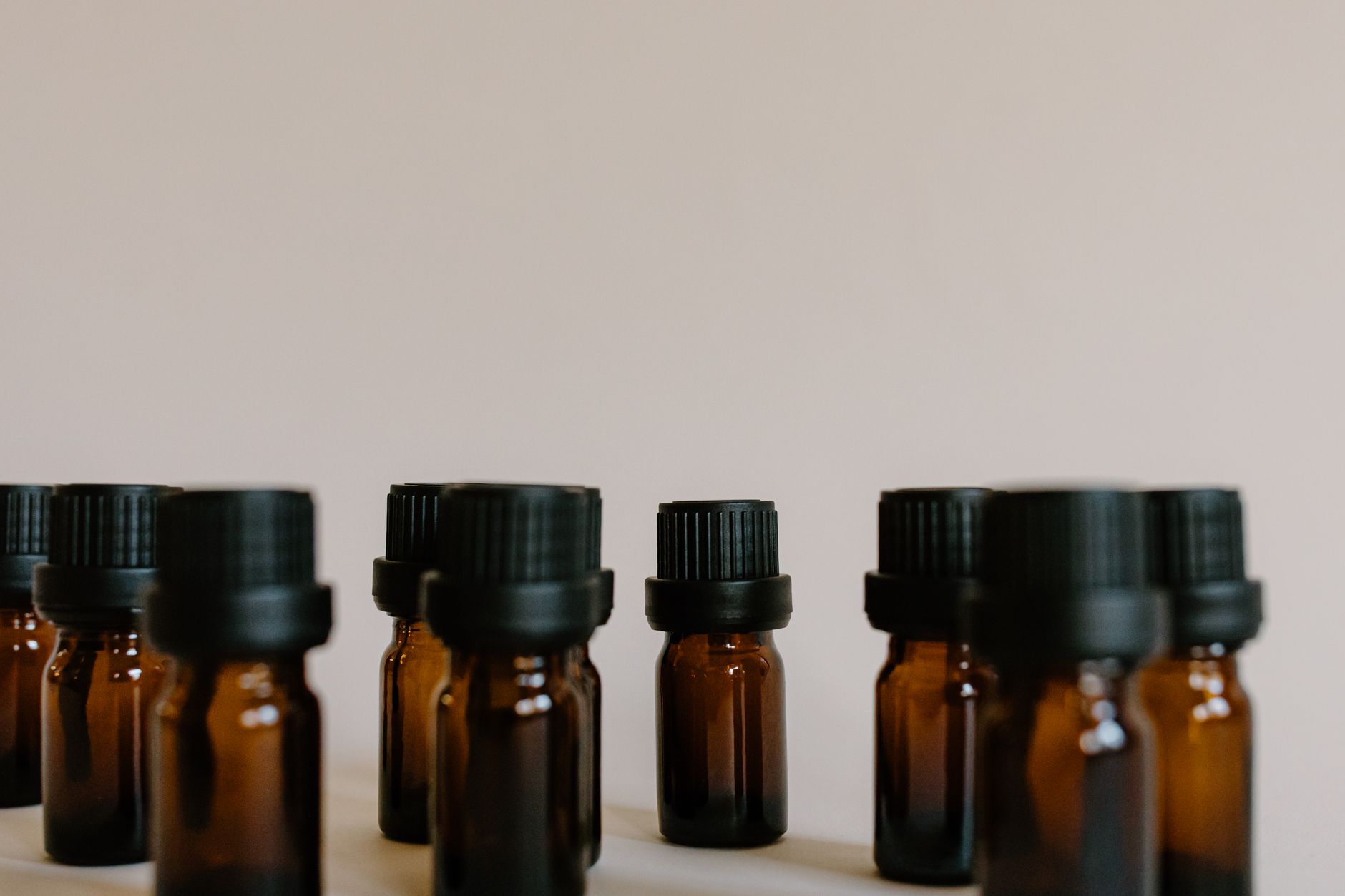
- Dark glass bottle: Light and heat degrade the oil, so it should come in an amber or dark glass bottle.
- Origin: While many brands import seeds from India or Egypt, some are now pressing Nigerian-grown Nigella sativa. Quality varies; buy from a trusted source.
Dosage: Start with ½ teaspoon once daily, gradually increasing to 1 teaspoon twice daily (morning and evening). Always take with food if you have a sensitive stomach. Black seed oil can be mixed with honey, lemon, or added to smoothies. Store in a cool, dark place and use within 6 months of opening.
Safety: Avoid use during pregnancy unless approved by your doctor. If you are on blood thinners, diabetes medication, or have low blood pressure, consult a professional first. Stop use if you experience any allergic reaction or digestive upset.
The bottom line: Black seed oil offers a wide range of health benefits backed by both tradition and science. For Nigerians seeking natural remedies for ulcer, blood pressure, fertility, and immunity, this oil is a powerful ally when used correctly—one teaspoon twice daily from a trusted source, and with proper medical guidance for serious conditions.